Roof Repair in Dallas-Fort Worth, TX
Free inspection. A roofer walks the roof.
Find the opening. Understand the connection. Make the repair into sound roofing. A free inspection puts those decisions on your Dallas–Fort Worth property.
Repair the water route, not just the visible mark
Water does not have to appear directly below its opening. It can follow decking, a rafter or a pipe before it reaches the ceiling. The repair needs to trace that route and establish where sound material begins.
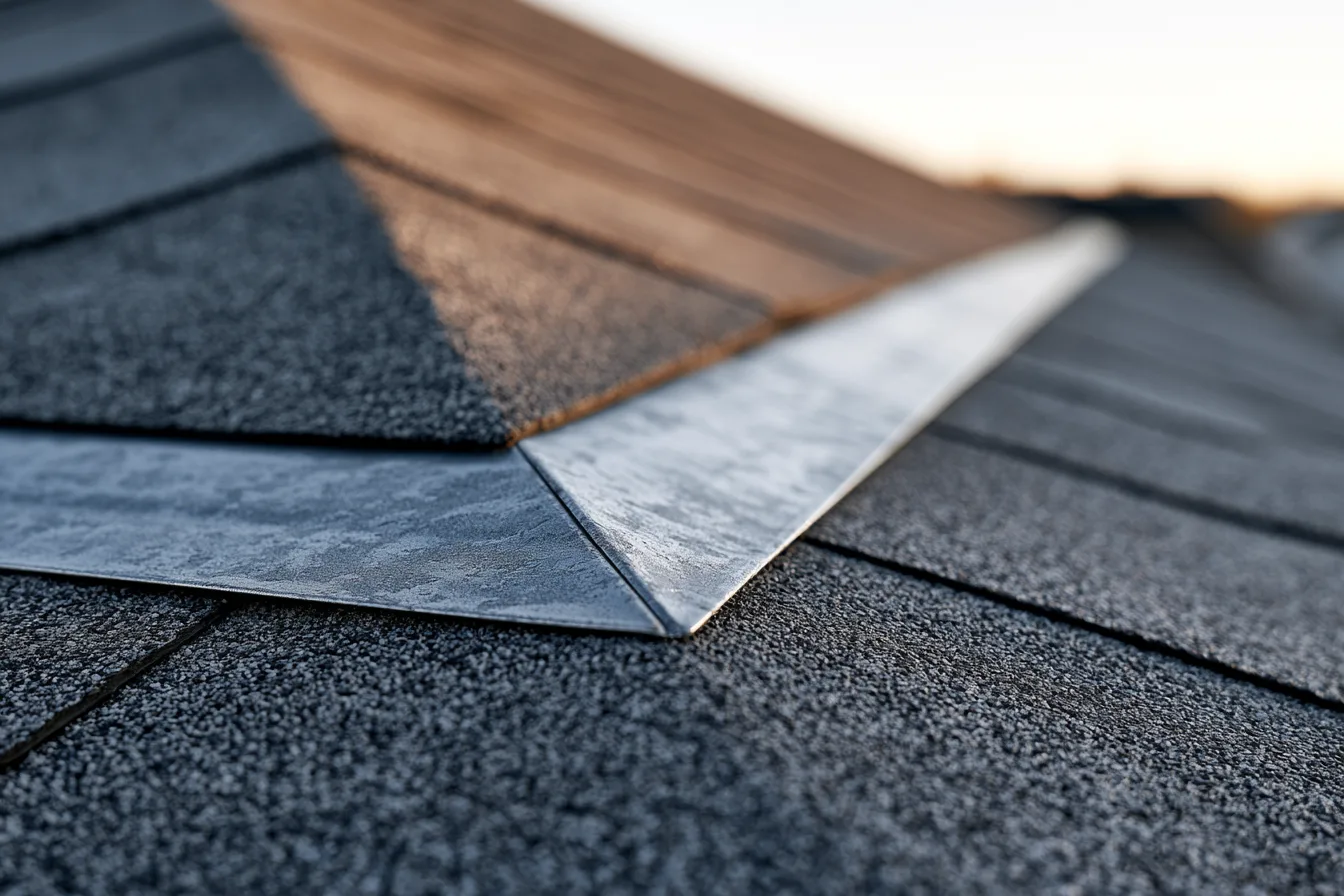
A roof repair starts with the covering and the interruptions through it: a vent boot, wall junction, valley, skylight or chimney flashing. The work needs to shed water in overlapping layers and connect to material that can still accept it.
Sealant has a place in some details, but a bead over an open joint does not rebuild missing overlap. The right scope can include shingles, flashing or a damaged piece beneath them when that is what the water route requires.
DFW’s spring storms can expose a weak connection that stays dry in quieter rain. If a leak appears only with a particular wind direction or heavy downpour, that pattern helps the investigation. It does not make the closest visible crack the source; the water route still needs to be traced.
What makes a roof repair workable?
The size of a leak is only one part of the decision.
- A local failure in sound roofing
A split vent boot or damaged shingle can be repaired when the surrounding material remains serviceable. The repair ties into that surrounding material instead of relying on exposed patching alone.
- A wider damaged area
Several failed details or damage beneath the covering can expand the scope. A larger repair still has to reach sound edges and leave a coherent water-shedding path.
- Roofing that breaks during repair
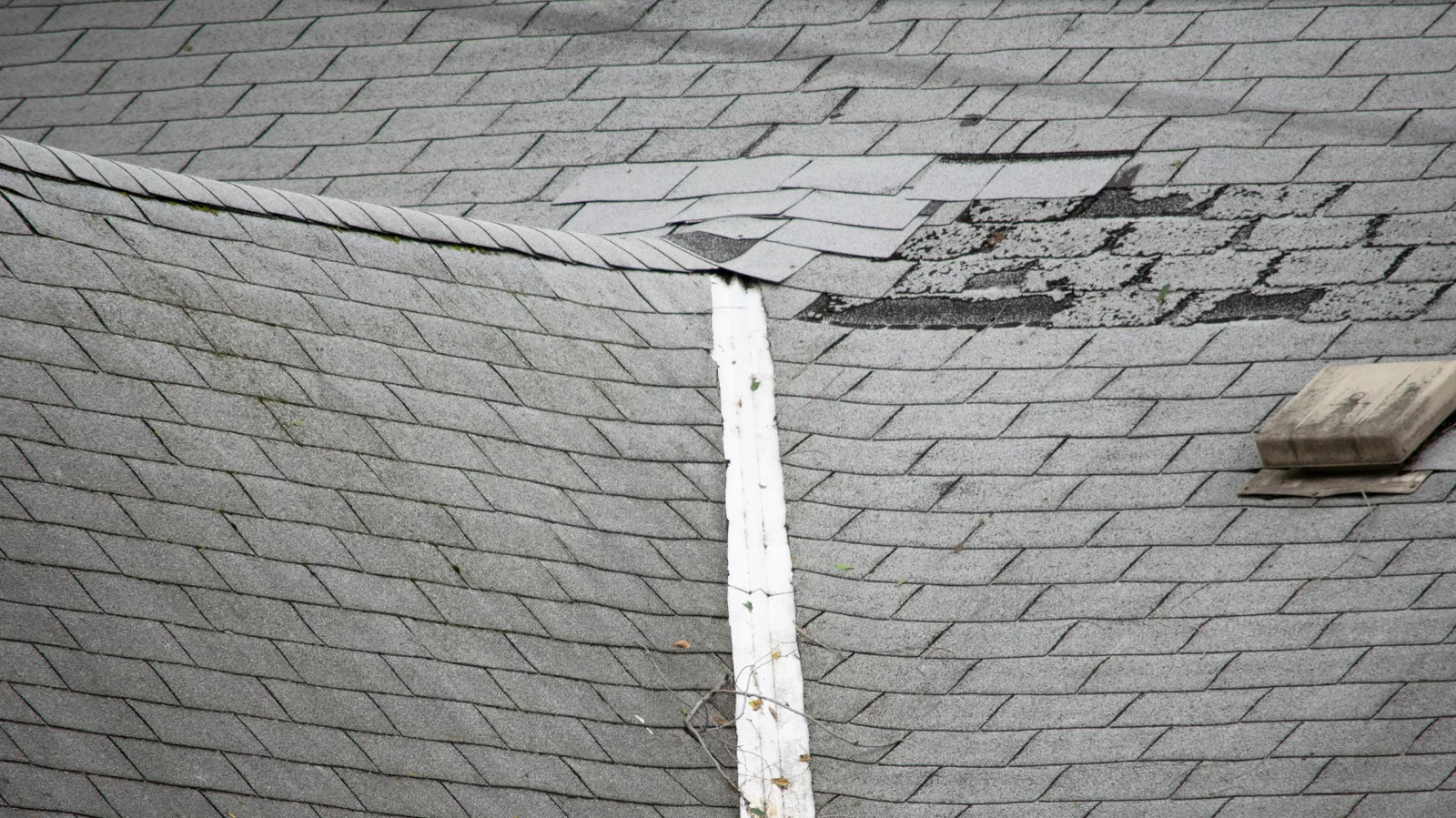
When adjacent shingles crack as they are lifted, installing new pieces can create new openings. The condition across the slope determines whether a broader repair or replacement is the sounder option.
How the repair decision develops
A free roof inspection gives the discussion something physical to work from.
Trace the entry
The roofer considers where water appeared and examines the likely roof route, including transitions uphill from the stain.
Open up the scope
Covering, flashing and any underlying damage are considered together. Wet ceiling repairs are separate from stopping roof entry.
Connect to sound material
The proposed work needs reliable surrounding edges and compatible materials. A roof that cannot provide those edges needs a wider conversation.
Roof repair cost drivers in DFW
A small visible opening can require more work when access or the surrounding assembly is difficult.
| Condition | What it changes |
|---|---|
| Steepness and height | Safe access, staging and the time needed to reach the repair. |
| Brittle or discontinued shingles | How far the work must extend and whether a usable material match exists. |
| Wood damage | The repair must address a sound foundation beneath the roof covering. |
| Complex flashing | Walls, chimneys and roof intersections require layered details, not a flat surface patch. |
Roof Repair FAQs
Can a leak be repaired during rain?
Wet or unsafe conditions can limit access and the work that can be completed. Tell us about active water entry when you request help. Temporary protection and the permanent repair are separate decisions.
Does a repair have to match perfectly?
A usable material match matters, and a visual match can still differ because the existing shingles have weathered. The repair also needs compatible dimensions and a reliable connection to the old roof.
When does a repair become a replacement decision?
When the surrounding roof cannot hold a dependable repair, the scope needs to widen. The replacement page explains the assembly that goes into a fresh start.
A useful next step for the roof.
Tell us where the water showed up and roughly when you noticed it. A free inspection can put the repair question on the roof itself.
(945) 390-2340Free inspection.
A roofer walks the roof.